Workshop Session 2:
Sat, 10am - 11:15am
Research Family & Pacific Islander Centered Research at the Burke Museum & University of Washington [Waldo Hall 240]
This workshop aims to share the various Pacific Islander led and centered research and projects taking place at the University of Washington and the Burke Museum of Natural History and Culture. We will also talk about our Pacific Islander led research group known as Research Family and how our group has allowed us as Pacific Islander students to discuss the barriers and challenges of working within a museum and university space while also sharing how we shift these spaces towards serving our communities and students. We are practice based and dedicated to supporting Pacific Islander students, families, and communities which is evident in the research students do. This workshop will share Research Family stories and initiatives, as well as engaging activities to illustrate how we bring familial values into our spaces.
Presenters: The Research Family at the University of Washington
-
Research Family graduate and undergraduate students are excited to introduce themselves and their work during their session! As well as get to know all of you! Presenters will share more about themselves in the workshop!
Beyond the Reef: From the Islands to the Continent [Waldo Hall 244]
This session will confront candidly the challenges faced by first‑generation Pasifika college students. Whether you navigate this path independently or with encouragement of loved ones, many of us have journeyed great distances in pursuit of a better life. We will explore the nature of resilience, the fortitude required to persist in higher education, and invite reflection on what your presence here in higher education signifies for you.
Presenter: Andrea Camacho
It Takes a Village to Thrive: Reframing Basic Needs as Collective Strength [Waldo 201A]
This workshop is designed with our Pacific Islander students and communities at the heart. Rooted in the values of vā(relational space), aloha, fa’aaloalo (respect), pwukoah (responsibility), and collective care, this session creates a safe and affirming space to talk openly about basic needs, cultural responsibility, and navigating college systems. In many of our island cultures, we are taught to be strong, to give before we receive, to support our families back home, and to carry responsibility with pride. While these values are powerful, they can sometimes make it hard to ask for help — even when we need it. This workshop reframes support not as weakness, but as a way to strengthen the entire village. Together, we will explore what it truly means to thrive in college — not just academically, but physically, emotionally, financially, and culturally.
Presenter: Pamela Fredrick-Williams
-
Drea Camacho is a Chamorro/Thai graduate from Eastern Oregon University and Oregon State University. She was born and raised in the island of Saipan, Northern Mariana Islands and was a first-generation college student. She has served as a youth advocate, assisting teens experiencing homelessness and as a domestic violence and sexual assault response advocate where she has supported survivors impacted by violence. Drea now works for local government as a Public Health Emergency Preparedness Coordinator and advocate for health equity.
-
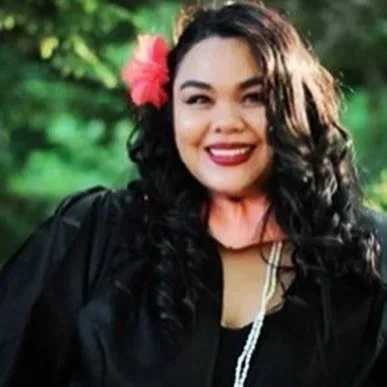
Pamela Fredrick-Williams (She/Her) serves as a Benefits Navigator in the Strategic Equity Initiatives Department at Eastern Oregon University, where she advances student retention and success through equity-centered basic needs support. Her work integrates public benefits navigation—including SNAP and the Oregon Health Plan—into broader student success frameworks, positioning basic needs access as a critical institutional responsibility rather than a peripheral service. As a Pacific Islander professional and bilingual English–Pohnpeian advocate, Pamela brings lived experience and community-rooted leadership to her practice. She also serves as a Pohnpeian Outreach Enrollment Specialist with the COFA Alliance National Network of Oregon, supporting Compact of Free Association (COFA) community members in navigating healthcare systems and public benefits enrollment. Her work bridges higher education and community health systems, strengthening culturally responsive outreach, cross-sector partnerships, and trust-building with historically underserved populations. With her MBA from EOU, Pamela focuses on developing sustainable, data-informed, and culturally grounded strategies that advance institutional equity and student persistence.
Creating Change As An Organizer [SEC 354]
Do you want to be part of the next generation of leaders? Want to fight for change in your community? What does it mean to be an organizer in today’s world? Let's be so real... it's difficult to create change while also being a student with responsibilities. Join us to walk through stories and exercises to help you walk away with learning more about yourself and how to contribute to the movement of liberation and justice.
With the Social Change Ecosystem map, we will be reflecting as a collective on who we are as individuals. What is your role in this movement of liberation? What do we need to change within ourselves to become the organizer who creates change?
Presenter: Kareena Salvi, Youth Engagement and Field Associate at APIAVote
-
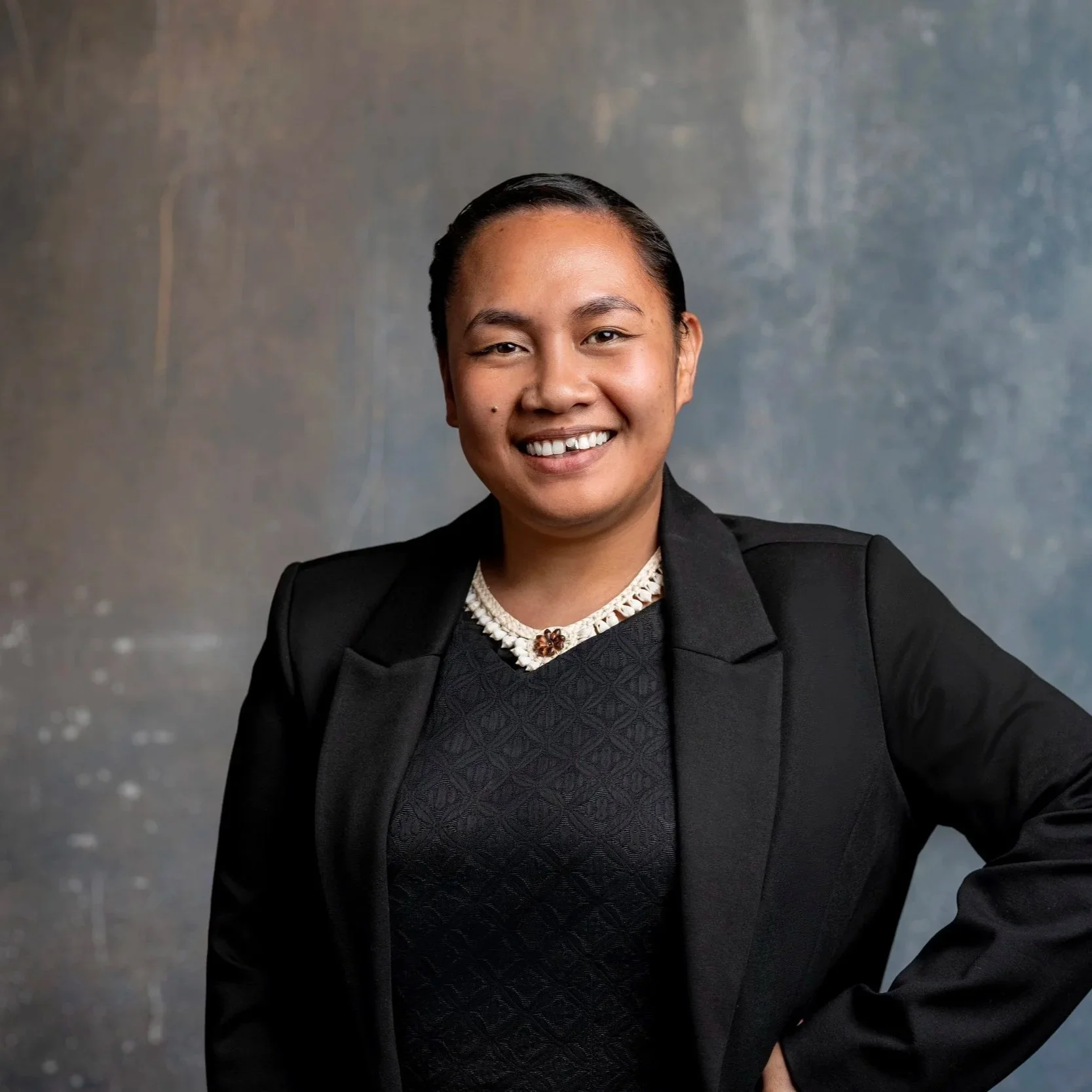
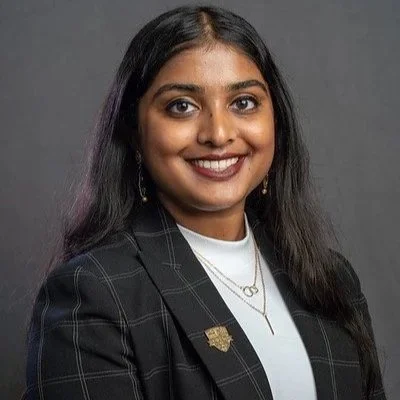
Kareena Salvi, she/her, is a South Asian American, an ally and currently working at APIAVote as the Youth Engagement and Field Associate. She oversees youth programming and implements leadership and civic engagement training to uplift and support Native Hawaiian, Pacific Islander and Asian American students across the nation. Outside of APIAVote, she is a community organizer at heart and a fighter inspired by her grandpa. Currently holds a BA from Drew University with a major in Political Science and minors in Spanish, Dance, and Law, Justice and Society. Some of her previous work is at Sikh Coalition, the nation’s largest Sikh civil rights organization as a Policy and Advocacy intern handling hate crime data collection. She also uses dance as a social justice tool such as her piece on Decolonization!
Know Your Rights: Pasifika Edition [SEC 254]
Know Your Rights and use them! Join us to get Pasifika specific updates from the Dept of Homeland Security. We will go through a Know Your Rights presentation and end with an activism art activity.
Presenters: Johanna Inoke & Angela William
-
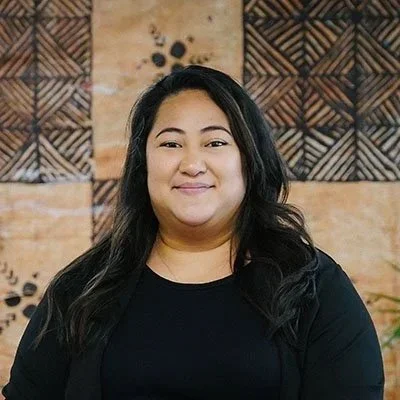
Hafa Adai yan Tirow! My name is Johanna Inoke and I am a Chamorro woman born and raised in the island of Saipan. I moved to Vancouver during high school years and it has been my new home since then. I am an alumni of Clark College and Washington State University – Vancouver Campus where I achieved my Bachelors in Biology. Although science was my major, I learned through activities outside of school work, that community work is my real passion. I will be sharing knowledge from my work as a Site Manager at the Pacific Islander Community Association of WA. I attended PISA Con for the first time in 2016 and I am so happy to be back as a Workshop Facilitator.
-
Angela William, She/Her, Chuukese
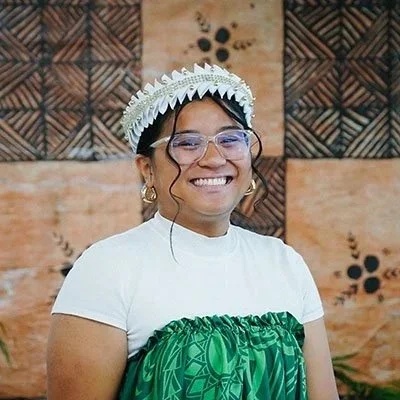
My name is Angela William and I am the Wellness Navigator for PICA-WA in SW Washington. I’m Chuukese, from the island of Weno and Udot. Spefically from the villages of Sapuk in Weno and Penia in Udot. I graduated from Portland State University in 2020 with my B.S. in Criminal Justice/Criminology. I was driven by the support of my family and my community to keep going to school, and to keep finding new opportunities.
We SEA You: Powering PI Students [SEC 112]
Come be part of hands-on, action-packed activities that uplift Pacific Islander voices and student success across Oregon through the Native Hawaiian/Pacific Islander Student Success Plan. This is a space to share what real mental health support looks like, speak up, and help shape the look and future of the Plan so it truly reflects the diversity and strength of Pacific Islander cultures.
Presenter: Carol K. Matsuzaki, Caleia Capoccia and Mahina Ajifu-Santos
-
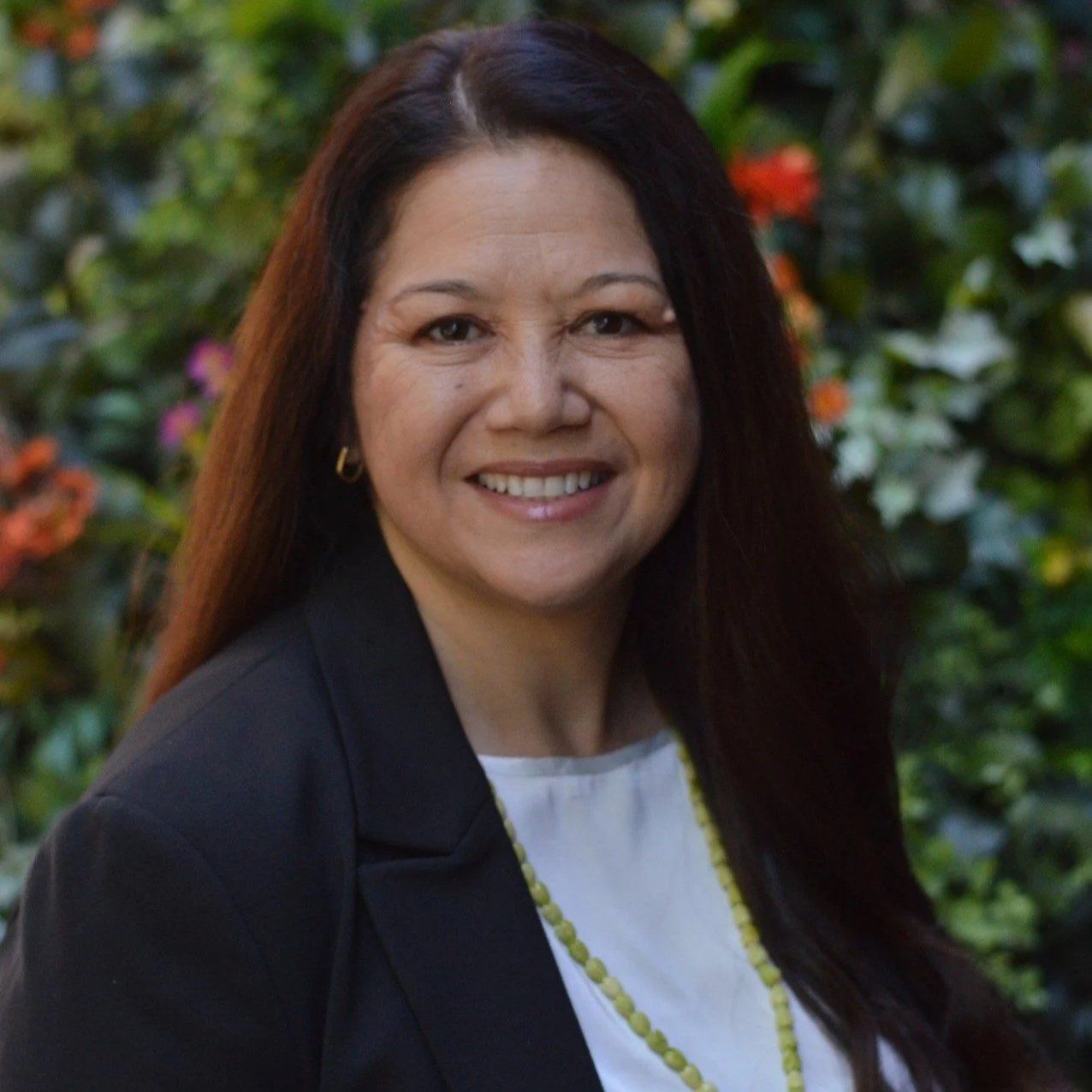
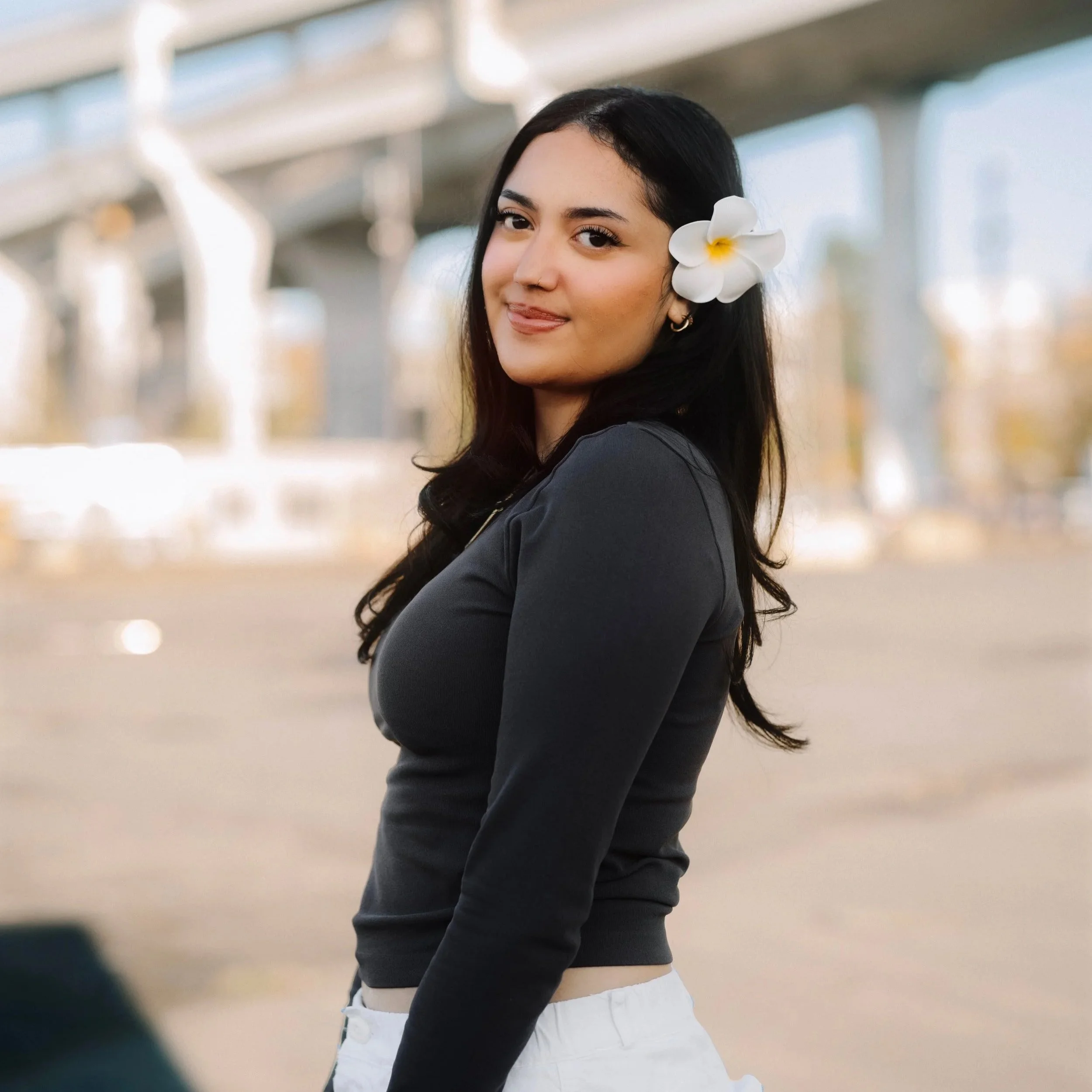
Carol Matsuzaki is a proud Native Hawaiian woman with a deep-rooted passion for empowering students from all backgrounds to achieve their full potential. With over three decades of experience in education, Carol has dedicated much of her career to supporting Native Hawaiian and Pacific Islander students, families, and communities. She has successfully led several Native-serving educational grants in Hawai`i, focusing on fostering academic growth and creating opportunities for underserved populations. Currently, Carol serves as the Native Hawaiian/Pacific Islander Student Success Plan Coordinator at the Oregon Department of Education. In this role, she oversees the agency's efforts to uplift NHPI students, including the launch of a new grant program aimed at expanding educational opportunities for these communities. Born and raised in Hawaii, Carol is deeply committed to honoring her heritage while making a positive impact in the lives of students. She holds a Bachelor's in Geology from the University of Hawaii, a Master's in Business Administration from Chaminade University, and a Master's in Higher Education Administration from Georgetown University. Carol’s work is driven by the belief that every student deserves the chance to succeed, and she continues to work tirelessly to remove barriers and create pathways for success in education.
-
Hi, I’m Caleia Capoccia, a student at Portland State University. As a Palauan student, I’m passionate in advocating for Pacific Islander communities, focusing on creating spaces where we feel seen and supported.
-
Mahina is an alumna of University of the Pacific (Stockton, CA). She currently holds a position on the Oregon Department of Education's NHPI Student Success Plan Advisory Group.
Tåli Talks: The Ties that Bind. Exploring Connections/Relationships through Rope Making [APCC]
This workshop invites Pacific Islander college students living in the diaspora to explore their personal stories and relationships through the traditional craft of rope making, or tåli in Chamoru. In a relaxed and open environment, we’ll reflect on our connections to land, community, and identity while exploring values of inafa maolek (maintaining harmonious relationships), reciprocity, and respect.
Presenter: Daniel Brown
-
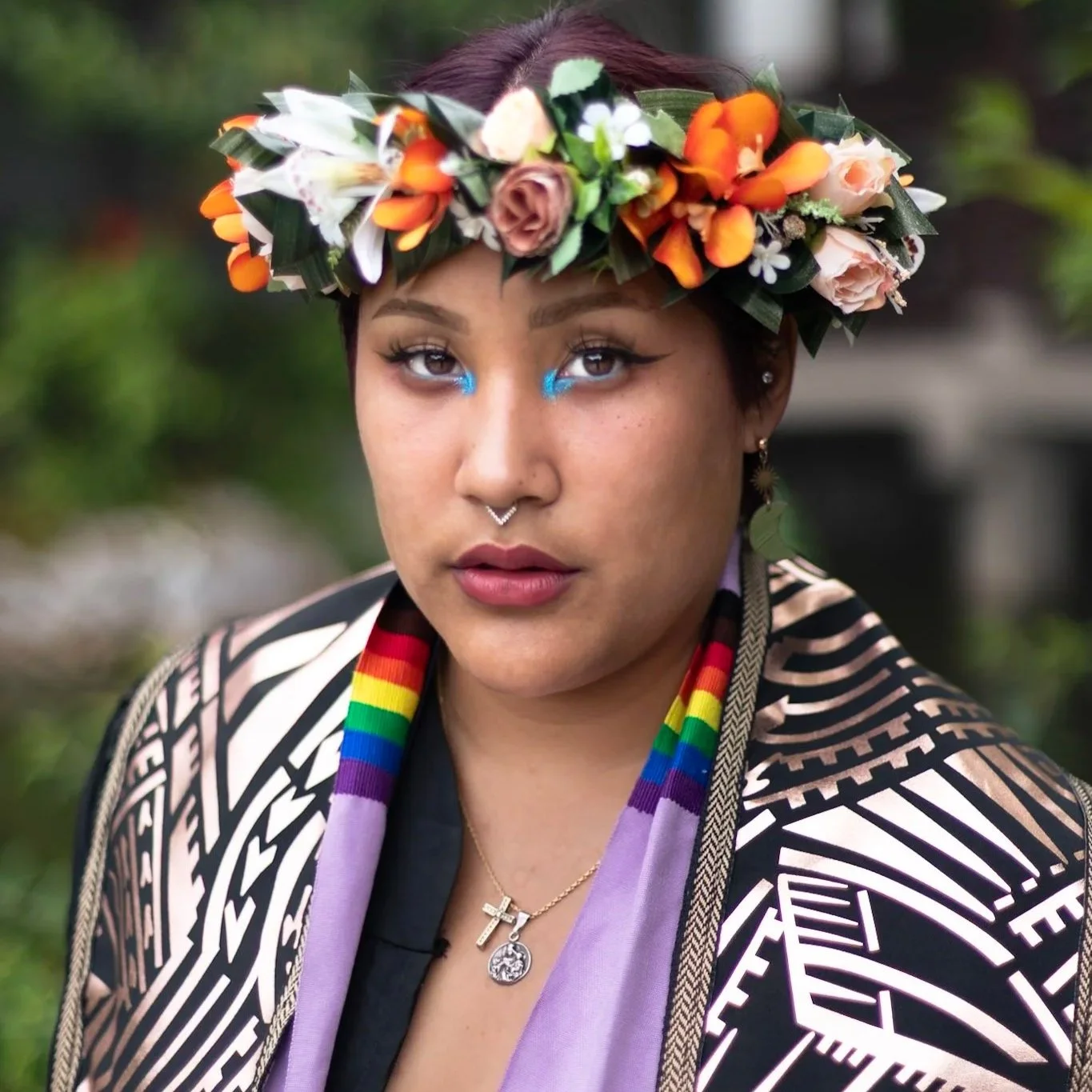
Daniel Brown is a Queer Chamorro and Filipino social practice artist whose work centers storytelling, collective care, and culturally grounded facilitation. He holds a Bachelor of science in Education with a concentration in Rehabilitation and Human Services and some Masters coursework in Marriage, Couples, and Family Therapy. He is originally from Guam and spent most of his life living and working Marianas with more than a decade of administrative professional experience spanning both the public and private sector in Banking, Education, Higher Education, Judicial administration and court services. He is also passionate and proven leader in organizing community engagement and service, leading multiple community wide events and a recipient of the Northern Marianas College Class of 2020 Excellent in Student Leadership Award for his commitment to service for his fellow students and island community. His facilitation approach is also informed by personal experiences of grief, recovery, and reconnection to community, culture, and self. This shaped his commitment to structured, trauma-aware storytelling spaces grounded in consent, listening, and collective care. He began offering Tåli Talks workshops since 2024 in Guam, Saipan, Oregon and Washington. Daniel enjoys using storytelling as a creative method to transform challenging experiences into collective meaning, mirroring his own process of turning grief into connection, resilience, and community-strengthening. These workshops engage participants in guided rope making, and/or weaving and storytelling circles exploring identity, belonging, and collective care. Inspired by other indigenous artists and Pacific Islander research, these workshops are rooted in Chamorro concepts of inafa’maolek and Filipino kapwa, Tåli Talks integrates these values and cultural knowledge into a contemporary participatory art practice. Stories are treated as fibers woven into collective “ropes,” creating lifelines of connection, memory, and shared meaning.
Elei and Wellness (Culture as Healing) [ina haws]
This interactive workshop introduces participants to elei, the traditional Samoan art of hand-printing fabric using carved designs and fabric paint. Participants will learn the cultural history and meaning behind common Samoan patterns, then create and print their own elei design to take home. Beyond art-making, this workshop centers wellness through guided reflection, storytelling, and intentional breathing. As we paint and print together, we create space for stress relief, emotional grounding, and cultural reconnection. Participants will explore how cultural practices strengthen identity, build community, and support mental well-being.
Presenter: Olynn Ara & Emma Olo
-
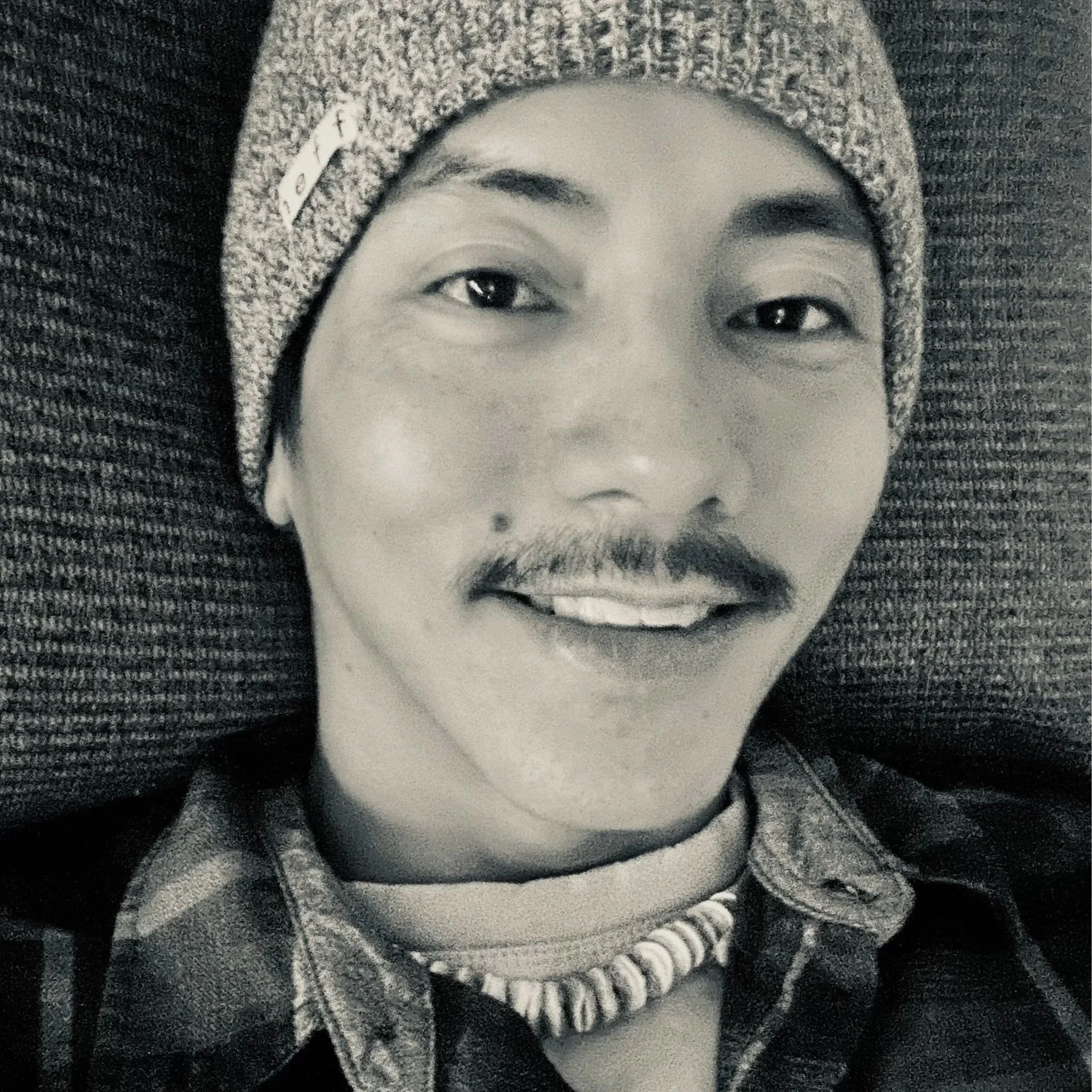
Olynn Ara (She/Her) is a Native Hawaiian and Pacific Islander (NHPI) Project Coordinator at the Samoa Pacific Development Corporation (SPDC), where she utilizes her background in psychology to support educational initiatives and community development. Born and raised in American Samoa, Olynn relocated to Oregon in 2021 to further her education and career. She is passionate about fostering growth and strengthening opportunities for Pacific Islander students and families. She previously served as an education specialist and mentor/tutor for Pacific Islander students at Roosevelt High School, supporting them in reaching their academic goals. Olynn is dedicated to building meaningful connections with students, families, and the broader community.
-
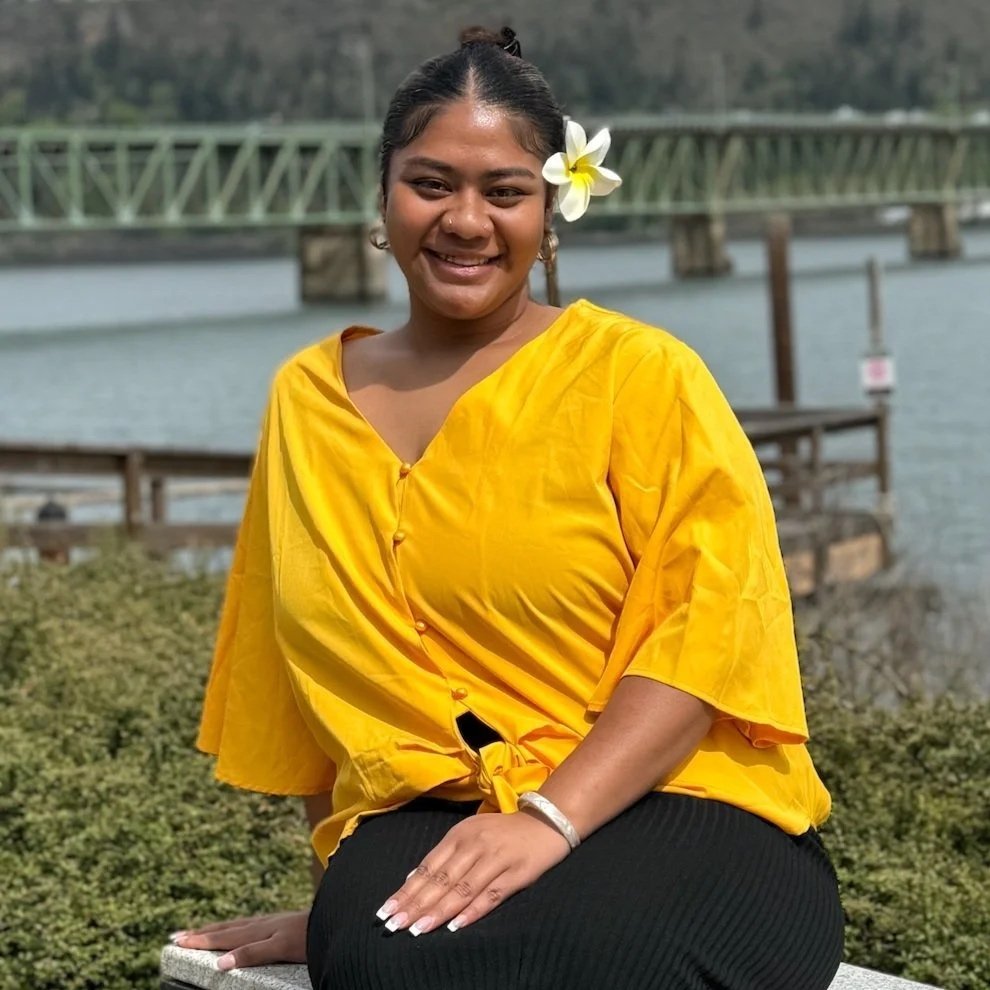
Emma Olo (she/her) is a Samoan community health worker, educator, and cultural advocate based in Portland, Oregon. Born and raised in American Samoa, Emma has a passion for creating spaces where Pacific Islanders can reconnect with culture, identity, and community. She has extensive experience in health education, wellness workshops, and cultural programming, including leading elei-making sessions that integrate mindfulness, storytelling, and cultural healing. Emma holds a Master of Science in Criminal Justice and is committed to supporting the well-being, resilience, and empowerment of Pacific Islander communities through culturally rooted practices.